
Storm and hail damage, documented right.
After a storm rolls through the Branson & Springfield Area, we inspect shingle roofs for hail and wind damage, document what we find, and walk you through the claim process if there's damage worth filing.
When hail or high wind moves through the Branson & Springfield Area, Full Life Roofing Construction inspects shingle roofs for the damage it left behind, most of which isn't visible from the ground. We document every slope with photos, explain plainly whether there's damage worth filing a claim over, and handle the repair once the scope is clear. We work across the region, from Springfield to Kimberling City, and we treat storm damage as something to get in front of quickly, since insurance policies limit how long you have to file.
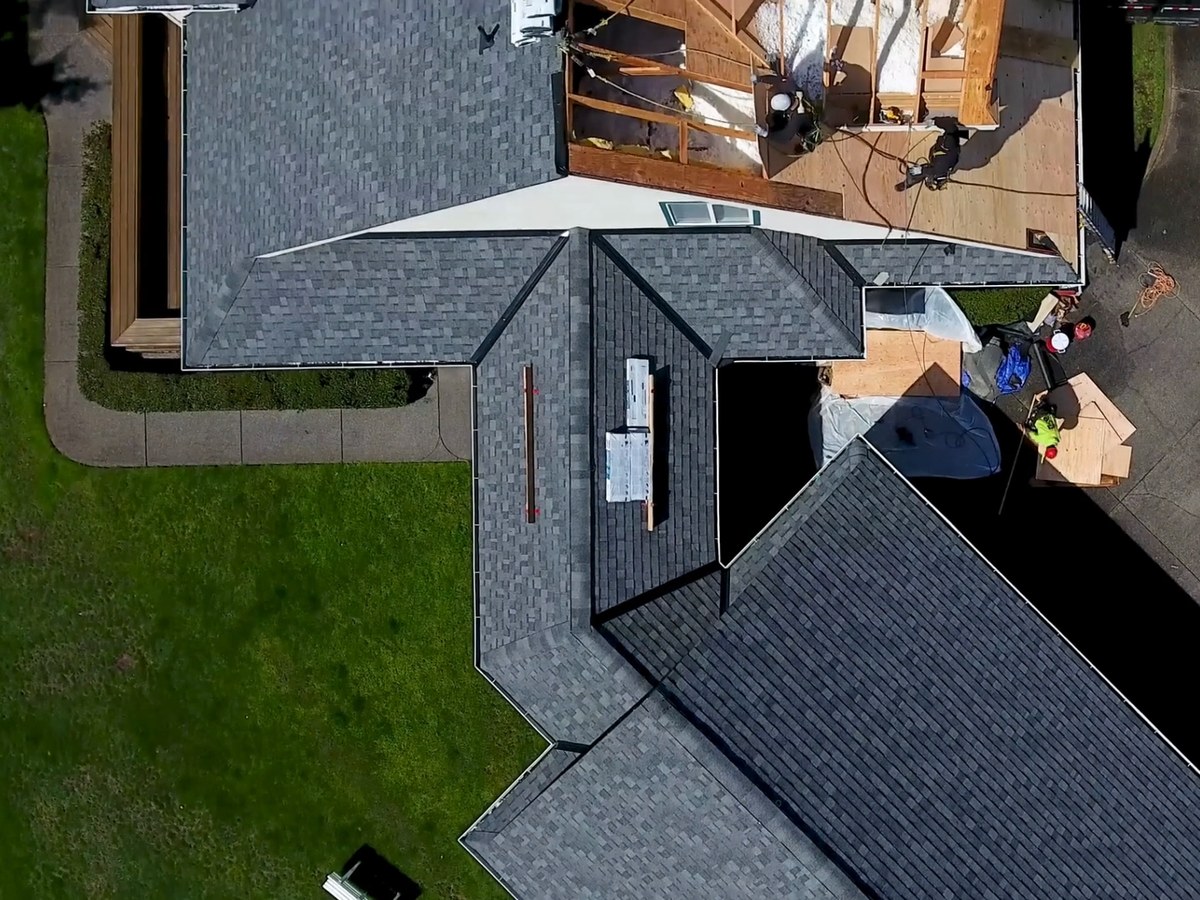
Wondering if that last storm actually damaged your roof?
Hail bruises the shingle mat and knocks loose the protective granules, and from the ground the roof can still look completely fine. Up close, that damage shows up as soft spots in the shingles, dents in vents, downspouts, and other soft metals, and a noticeable pile of granules at the base of the downspouts. Wind does something different: it gets under the leading edge of a shingle, breaks the seal, and either creases it or tears it off entirely, and a creased shingle won't reseal on its own. Both types of damage are judged slope by slope, up close, which is why a documented inspection is the only real way to know what a storm actually did.
Signs your roof took a hit
Soft spots or dents in shingles
Hail bruises the mat without always breaking through the surface, so it can be missed unless someone's looking closely at each slope.
Dented vents, gutters, or downspouts
Soft metal takes hail damage more visibly than shingles do, and it's a good indicator that the roof took hits too.
Creased or missing shingles after high wind
A creased shingle has lost its seal for good and will leak in the next rain, even if it's still technically attached.
Granules piling up at the downspouts
A sudden increase after a storm, rather than gradual buildup over years, points to hail impact rather than normal aging.
What we're looking for on the roof
Hail bruising across the field of the roof
We chalk and count hail hits per test square the way an insurance adjuster does, so the documentation holds up if you file a claim.
Wind-lifted or creased shingles at the edges and ridge
We lift-test shingles along vulnerable areas to find seals that broke even where nothing looks obviously wrong.
Impact damage that reached the decking
A falling limb or large hail can punch through shingles and underlayment, so we check the decking and framing from the attic where damage is severe.
Collateral damage to gutters and downspouts
Dented or damaged gutters often need attention alongside the roof after a hard hail event.
What to expect during the visit
We walk every slope of the roof and check the gutters, vents, and soft metals for hail dents and wind damage, photographing everything as we go. If we find impact damage that may have reached the decking, we check the attic side for daylight or cracked framing. Once the inspection is done, we tell you plainly whether there's damage worth a claim or whether the roof came through fine. If there is a claim, we walk you through what the adjuster meeting typically looks like and handle the repair or replacement once the scope is agreed on.
Related services you may need
Storms rarely stop at the shingles. Gutters and downspouts often take the same hail hits as the roof, and siding on the storm-facing side of the house can show related damage that's worth checking at the same time.
The cost of waiting
Storm damage that goes unreported doesn't heal itself, and the longer it sits, the more it starts to look like ordinary wear and tear instead of storm impact, which matters when it comes time to file. A creased shingle that seems minor right after a storm keeps failing a little more with every rain that follows, until what could have been a straightforward repair turns into a section that needs full replacement.
How do I know if hail actually damaged my roof?
The only reliable way is a close-up inspection, since hail bruising and wind-lifted shingles are often invisible from the ground or even from a photo. We check every slope along with the gutters and soft metals for the telltale bruising, dents, and broken seals that confirm storm damage.
Will insurance cover my storm damage repair?
That depends on your policy and the extent of the damage found, which is why documentation matters. We inspect and photograph the roof first, then walk you through whether what we found is likely to support a claim before you contact your insurer.
How soon after a storm should I get my roof checked?
As soon as you reasonably can, since most insurance policies have a limited window for filing a claim after a storm. Getting the inspection done quickly also means less time for a small issue like a broken shingle seal to turn into an active leak.
If a storm's come through and you're not sure what it left behind, give us a call for an inspection. Full Life Roofing Construction documents and repairs hail and wind damage across the Branson & Springfield Area.
- High-quality shingle roofing for residential and commercial properties, combining lasting durability with curb appeal style.