
Shingle roof inspection, no guesswork.
We inspect shingle roofs top to bottom for homeowners across the Branson & Springfield Area and tell you plainly what we find, whether that's nothing to worry about or a repair worth scheduling.
A roof inspection is how Full Life Roofing Construction tells you what's actually going on up there, not what it looks like from the driveway. We check the shingles, flashing, and attic side for homeowners across the Branson & Springfield Area, whether you're worried about a specific spot, want a read on remaining life, or just went through a storm. You walk away knowing exactly what shape your roof is in and what, if anything, needs attention.
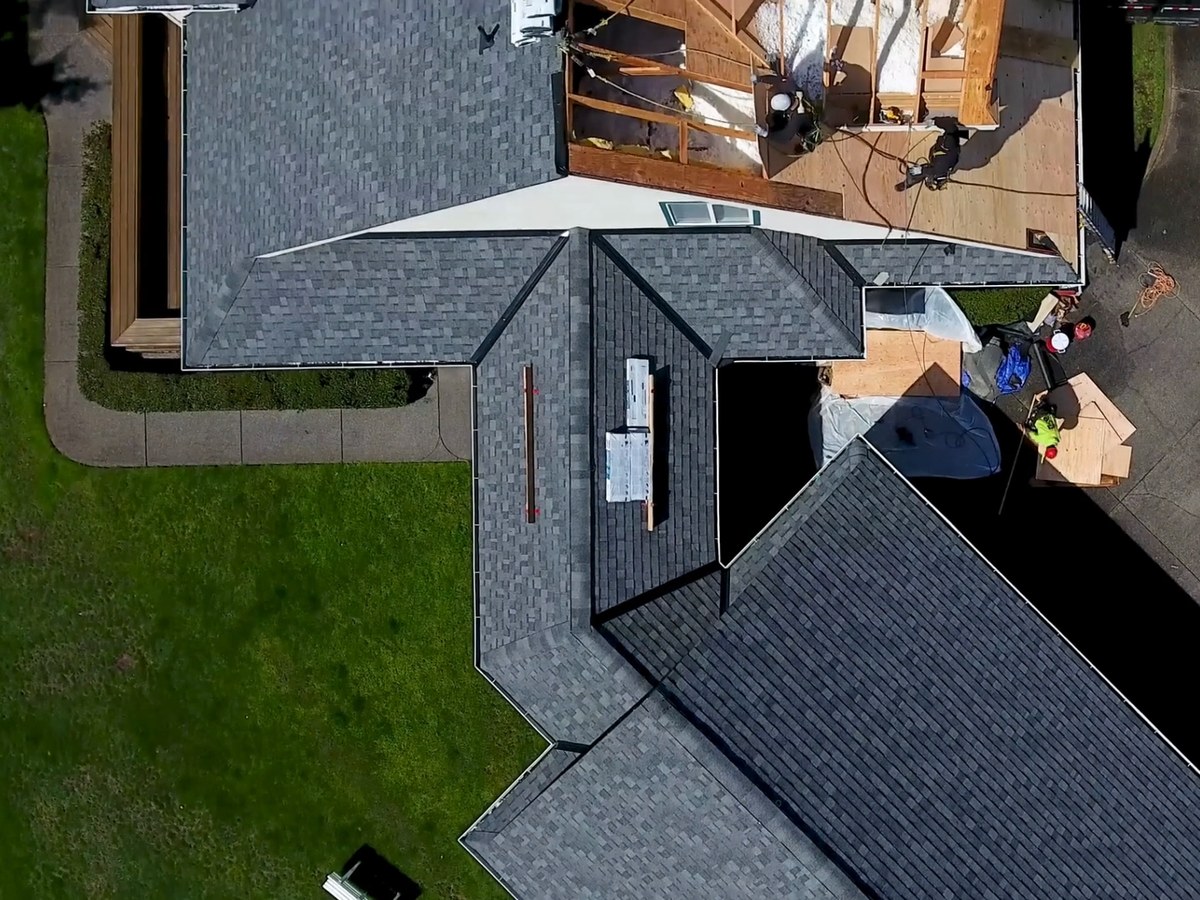
Wondering how many years your roof has left?
The honest answer comes from getting up close, not guessing from the ground, since curling, granule loss, and cracked shingles are all judged by touch and by walking the slopes. Age-related wear tends to show evenly across the roof, while hail damage shows up as scattered bruising in specific spots, and telling those two apart matters for what happens next. We also check the attic side, since a roof can look fine on top while heat or moisture is quietly aging it from underneath. Once we've been over every slope and the attic, we give you a straight number on remaining life and note anything that should be addressed before the next storm season.
When to get one scheduled
The roof is 15 to 20 years old
That's the range where most asphalt shingle roofs start showing their age, sooner in hot climates with a lot of sun exposure.
A storm just came through
Hail and wind damage aren't always visible from the ground, and most insurance policies have a limited window to file a claim after a storm.
Granules are collecting in the gutters
That's a sign the shingle mat is starting to show through, whether from age or scattered hail hits, and it's worth confirming which one it is.
You're buying or planning to sell the home
Knowing the roof's real condition ahead of time avoids surprises during negotiations or right after you move in.
What we check during the inspection
Shingle and flashing condition on every slope
We look for curling, cracking, missing shingles, and any flashing that's pulled away at chimneys, walls, or vents.
The attic side for staining and ventilation
Moisture and heat problems often show up in the attic before they're visible on the roof surface or ceiling below.
Hail and wind damage signs
We chalk and count hits per test square where hail is suspected, and lift-test shingle edges to check for broken seals from wind.
Gutters, fascia, and drip edge
Since gutters are part of the roof's water management, we note anything overflowing or pulling away that could be feeding a leak.
What to expect during the visit
We inspect the roof top to bottom, starting with the sunniest slopes where aging usually shows first, then move to flashing, valleys, and every penetration. We check the attic side for staining, daylight, or ventilation issues that wouldn't be obvious from the roof surface. If there's any sign of hail or wind damage, we document it slope by slope. Once we're done, we give you a plain-language explanation of what we found, an honest read on remaining life, and any recommendations, with no pressure to schedule work you don't need yet.
Related services you may need
If the inspection turns up a specific problem, it usually leads to a targeted fix rather than a full project. Damaged flashing or missing shingles typically point toward repair, while gutters that are overflowing or a drip edge that's missing get handled alongside whatever the roof needs.
The cost of waiting
Skipping an inspection doesn't stop a roof from aging, it just delays when you find out. A small area of hail bruising or a cracked pipe boot caught early is a quick fix, but left unchecked through another season or two of weather, it can turn into a leak that reaches the decking and framing. Storm damage in particular has a limited window for insurance purposes, so putting off the inspection can end up costing more than the visit itself.
How often should I have my roof inspected?
A general guideline is once a year, or right after any significant storm with hail or high winds. Roofs over 15 years old benefit from more frequent checks since that's when age-related wear tends to accelerate.
How much does a roof inspection cost in the Branson & Springfield Area?
Cost depends on the size of the roof and whether the visit is a general check or a documented storm-damage inspection for an insurance claim. Give us a call and we'll walk you through what applies to your situation.
What does a roof inspection report actually tell me?
It tells you the real condition of your shingles, flashing, and attic, plus an honest estimate of remaining life. If there's damage, it also spells out whether it's a repair or something that points toward replacement, so you can plan instead of guess.
Whether it's been a while since your last check or you just want peace of mind, give us a call to get an inspection on the books. Full Life Roofing Construction inspects shingle roofs across the Branson & Springfield Area.
- High-quality shingle roofing for residential and commercial properties, combining lasting durability with curb appeal style.