
Flat roof repair, stop it before it spreads.
Commercial buildings across the Branson & Springfield Area count on a flat roof staying watertight between replacements, and most problems can be caught and repaired before they spread.
Full Life Roofing Construction repairs flat and low-slope commercial roofs across the Branson & Springfield Area, from a single punctured membrane to seam failures spread across a whole section. Flat roof repair covers the everyday wear that shows up on TPO, EPDM, modified bitumen, and built-up roofs: a torn seam, a puncture from equipment or debris, a soft spot where water has been sitting. The goal on a repair visit is straightforward: find where water is getting in, fix that spot, and check the rest of the roof for the same failure before it shows up somewhere else.
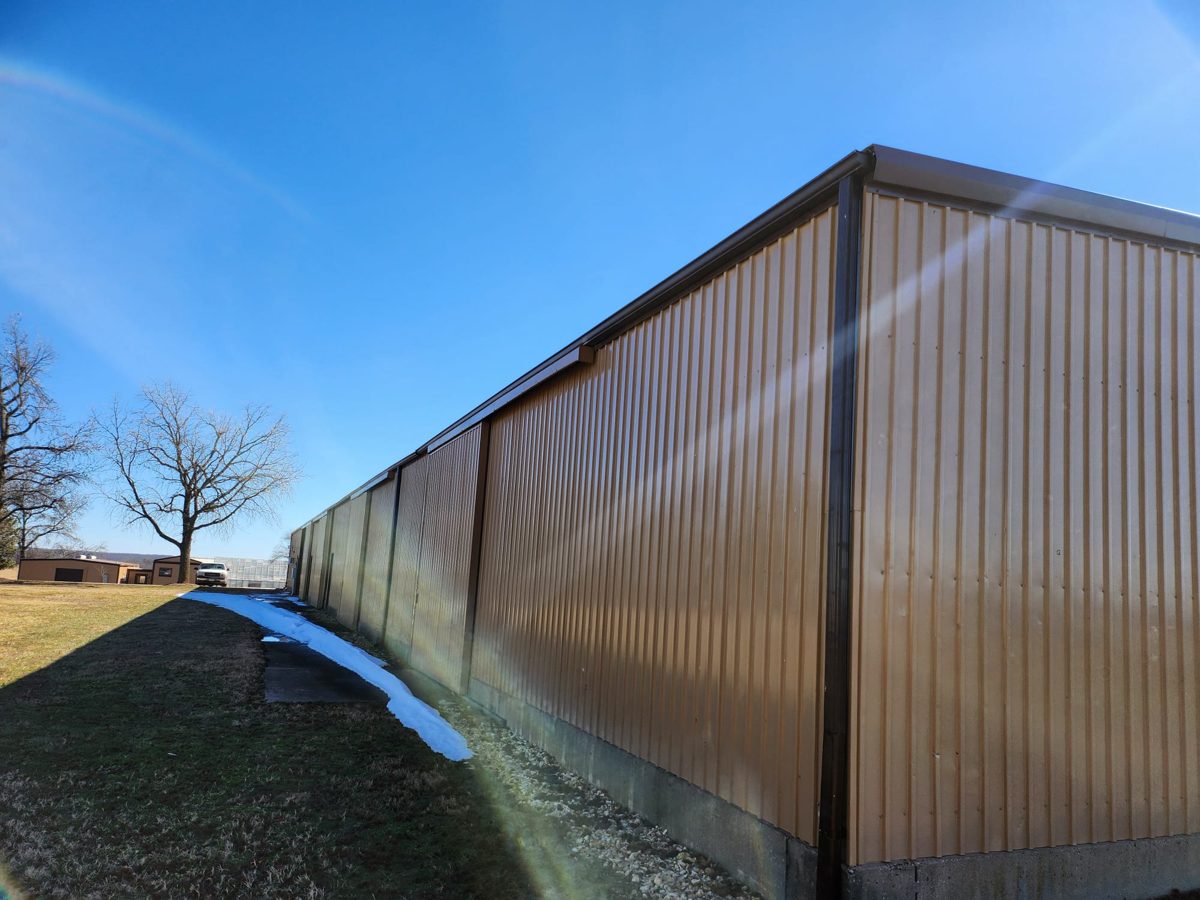
Is water pooling on your building's roof after every rain?
Ponding water that doesn't drain within a day or two of a rain is one of the clearest signs a flat roof needs attention, and it's a repairable problem more often than building owners expect. Standing water works into small cracks and seam gaps that would otherwise shed rain fine, so the areas holding water are usually where a leak starts. If the ponding is isolated to one low spot, a targeted repair or a tapered insulation fix at that spot can solve it without touching the rest of the roof. If it's widespread across the roof, that points toward a bigger drainage problem worth a full inspection first.
Warning signs to watch for
Water pooling in the same spot every rain
A low spot that holds water after every storm means the drainage slope has failed or was never right there. It's often fixable with a localized repair rather than a full roof replacement.
Seams pulling apart at the edges
Seams take the most stress on any flat roof, expanding and contracting with temperature swings. Once one starts to open, water gets underneath the membrane and spreads the damage sideways.
A puncture or tear from rooftop traffic
Foot traffic from other trades servicing rooftop equipment, or debris blown across the roof, can tear a membrane in a spot that looks small from above but leaks steadily below.
Soft or spongy spots underfoot
A soft spot means the insulation or decking beneath the membrane has taken on water. It needs to be opened up, dried or replaced, and resealed before it spreads further.
What's causing the problem
Aging membrane past its flexible years
Every membrane material has a useful life, and once it starts cracking or losing flexibility, seams and small punctures happen more often. Repair buys time, but an aging roof eventually needs full replacement.
Clogged or undersized drains
A drain blocked by debris backs water up across the whole roof, not just at the drain itself. Clearing and checking every drain is part of any repair visit.
Foot traffic from other contractors
HVAC and other trades walking the roof to service equipment are a common source of new punctures and worn spots. Repairs near equipment curbs need extra attention to flashing detail.
Flashing failures around penetrations
Vents, curbs, and pipe penetrations are where most flat roof leaks start, not the open membrane field. Reflashing a penetration is usually a faster fix than it looks.
What to expect during the visit
We inspect the membrane, the seams, and every penetration to find where water is actually getting in, since the wet spot inside a building isn't always right below the entry point. Ponding areas get marked and drains get checked and cleared if needed. Once the source is confirmed, we patch or reseal the seam, flashing, or puncture and water-test the repair before calling it finished. If the damage points to a bigger issue, like widespread seam failure or an aging membrane, we'll say so plainly instead of patching around it.
Related services you may need
If repair keeps coming back to the same sections of roof, a full single-ply membrane replacement may make more sense than another patch. An inspection can also catch problems before they turn into a leak.
The cost of waiting
A small puncture or an open seam doesn't stay small. Water works underneath the membrane with every rain, soaking the insulation and eventually the decking below it, which turns a straightforward patch into a much larger repair involving wet insulation and possibly rotted decking. What could have been a same-visit fix becomes a multi-day repair, or in some cases pushes the timeline toward a full roof replacement sooner than it should.
Can a flat roof leak be repaired, or does the whole roof need replacing?
Most isolated leaks, punctures, and seam failures can be repaired without replacing the whole roof, as long as the surrounding membrane is still in reasonable shape. Widespread ponding, cracking across multiple sections, or a membrane well past its expected life usually points toward replacement instead.
How long does a flat roof repair take?
Most single-issue repairs, like a seam reseal, a punctured membrane, or a flashing fix, are handled in a single visit. Repairs involving wet insulation or decking take longer since that material has to be opened up, dried out or replaced, and resealed.
What drives the cost of a commercial roof repair up or down?
Cost depends mainly on how much of the roof is affected and whether the damage has spread into the insulation or decking below the membrane. A single seam or puncture repair costs far less than a repair that involves opening up and drying out a section of roof.
If your building's roof is holding water or leaking, call us before it spreads any further. Full Life Roofing Construction repairs commercial flat roofs across the Branson & Springfield Area.
- Full-scale roofing solutions for commercial properties across the region, from installation to repair to maintenance.