
Siding repair, done right.
When a section of siding cracks, warps, or pulls loose, our crews patch it fast so moisture stays out of your walls. We handle repairs across the Branson & Springfield Area, from a single damaged panel to multiple spots after a storm.
Full Life Roofing Construction repairs siding across the Branson & Springfield Area, patching cracked panels, resealing trim, and closing gaps before water gets behind the wall. We work on lap and panel siding, matching materials so the repair blends into the rest of the exterior. Whether one section took a hit from a falling limb or the caulking around a window has failed, we come out, find the entry point, and fix it without pushing a full replacement you don't need.
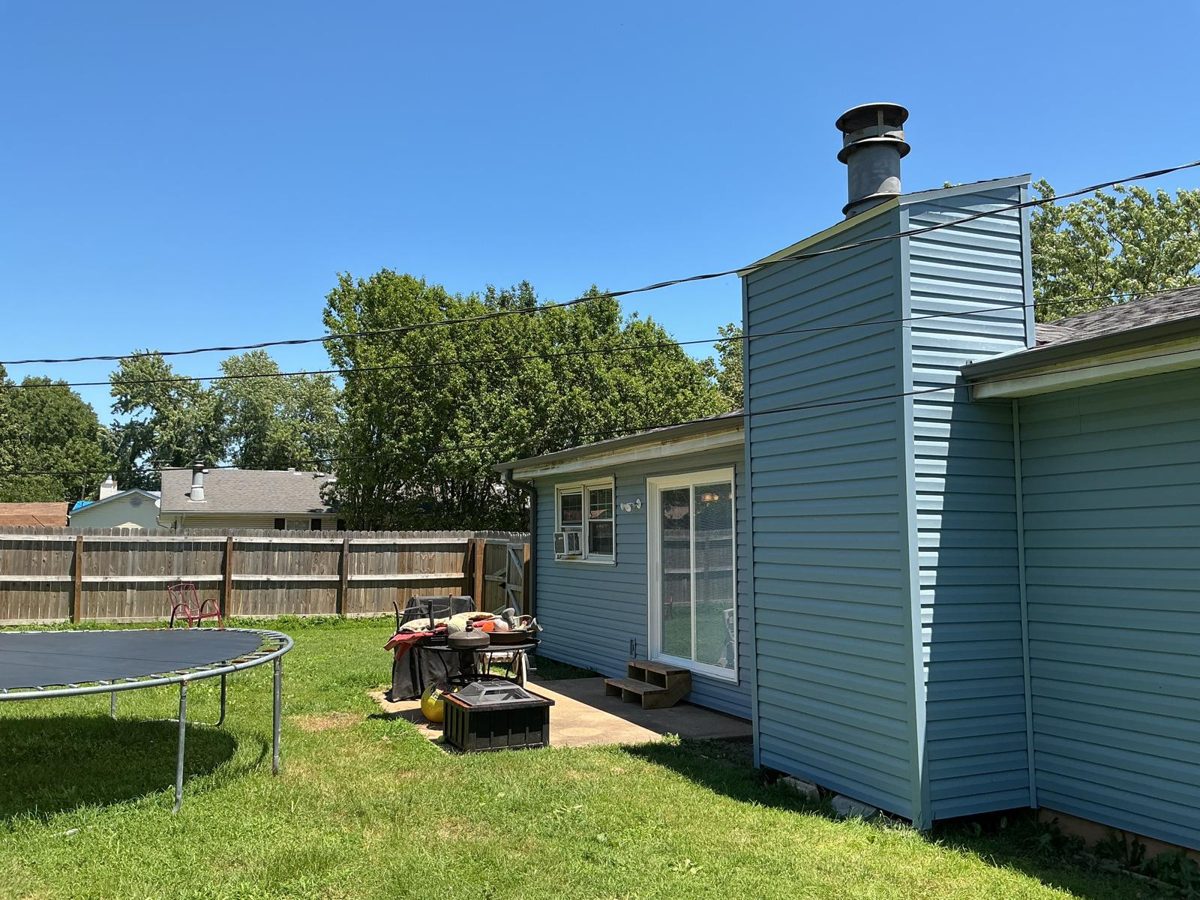
Is your siding cracked, buckled, or letting water through?
If you're seeing a cracked panel, a bowed section, or a damp spot on the drywall inside, the siding has likely lost its seal somewhere and water is finding a way behind it. Cracks let moisture soak into the wall sheathing, and once that starts, the damage keeps growing even on days it isn't raining, because trapped moisture doesn't dry out the way rain on the surface does. The fix depends on how far the damage has spread. A single cracked panel or a failed seam is usually a straightforward repair. Repeated staining in the same spot, soft wall sheathing, or damage across a whole elevation is a sign the problem has moved past a patch job and into replacement territory.
Signs your siding needs a repair
Cracked or warped panels
A panel that has cracked, bowed, or pulled away from the wall is no longer shedding water the way it's supposed to. Sun and temperature swings widen small cracks over time, so a hairline split this year becomes an open gap in a season or two.
Gaps or separation at the seams
Where two pieces of siding meet, a gap lets wind-driven rain straight through to the sheathing behind it. Loose fasteners, shrinking caulk, and shifting panels are the usual reasons a seam that once fit tight starts to open up.
Water stains on interior walls
A stain or soft spot on an interior wall near an exterior corner or window often traces back to failed siding or trim outside. Because water travels down before it shows up, the visible stain is rarely right next to the actual opening.
Loose or missing trim and flashing
Trim boards and the flashing tucked behind them keep water moving away from window and door openings. Once trim comes loose or flashing lifts, water gets routed straight into the wall instead of off of it.
What's causing the damage
Impact damage
Hail, wind-blown debris, or a stray branch can crack or dent siding panels even when the rest of the wall looks fine. A dent that hasn't cracked the panel yet can usually wait, but any crack should get sealed before the next rain.
Failed caulking and flashing
Caulk and flashing around windows, doors, and corners wear out years before the siding itself does. Once that seal fails, water gets behind the panels even though the siding looks intact from the driveway.
Age and sun exposure
Years of UV exposure make siding brittle, especially on the sunniest side of the house. Brittle panels crack under normal impacts that newer siding would shrug off.
Original installation shortcuts
Siding installed without proper overlap, fastening, or flashing tends to fail early and often in the same spots. If repairs keep coming back to the same section, the original install is usually the reason.
What to expect during the visit
We start by walking the affected wall and checking the panels, seams, and trim around it, then look inside near the stain if there is one to see how far the moisture has traveled. Once we find the entry point, we'll explain what's causing it and what it takes to fix, whether that's resealing a seam, replacing a cracked panel, or resetting flashing around a window. If we find soft sheathing behind the siding, we'll show you before we close it back up. Most single-section repairs are handled in one visit; larger jobs get scheduled once we know the full scope.
Related services you may need
Siding repairs often turn up related issues on the roofline or in the gutters, since water that gets behind siding usually started somewhere else on the exterior. If we spot a metal roofing or gutter issue feeding the problem, we'll flag it as part of the same visit.
The cost of waiting
A cracked panel or open seam doesn't stay small. Every rain pushes a little more water behind the siding, and once the sheathing underneath gets wet repeatedly, you're looking at rot instead of a surface repair. What starts as a five-minute patch job can turn into replacing framing and insulation if it sits through a few more storms. Getting a small repair handled early is almost always less work than waiting for it to spread.
How do I know if my siding needs a repair or a full replacement?
It usually comes down to how widespread the damage is. A cracked panel or a failed seam in one spot is a repair; siding that's cracking or warping across multiple walls, or that keeps letting water in after repeated fixes, points to replacement instead. We'll tell you plainly which one your siding needs after we take a look.
Can siding be repaired to match the rest of the house?
In most cases, yes. We match the style and color as closely as the available materials allow, though siding that's been on the house for many years may have faded enough that an exact match isn't possible on a small patch.
How much does siding repair cost?
The cost depends on how much of the wall is affected, whether trim or flashing needs to be replaced along with the panels, and how much of the sheathing underneath has to be opened up. We'll give you a clear picture after we've seen the damage in person.
If your siding is cracked, gapped, or letting water through, give us a call at 417-614-5607 and we'll take a look. We repair siding across the Branson & Springfield Area, from a single damaged panel to multi-spot storm damage.
- High-quality siding that boosts curb appeal while keeping your home well insulated.